Embassy of the Czech Republic
AIA Los Angeles (AIA/Next LA) Honor Award 2010
Architect: Yianna Bouyioukou Architect, Marija Volkman, Tomas Ciesla
Location: Washington DC, USA
Size: 48,000 sf
Program: Embassy with four components: consulate, representation, offices and residences
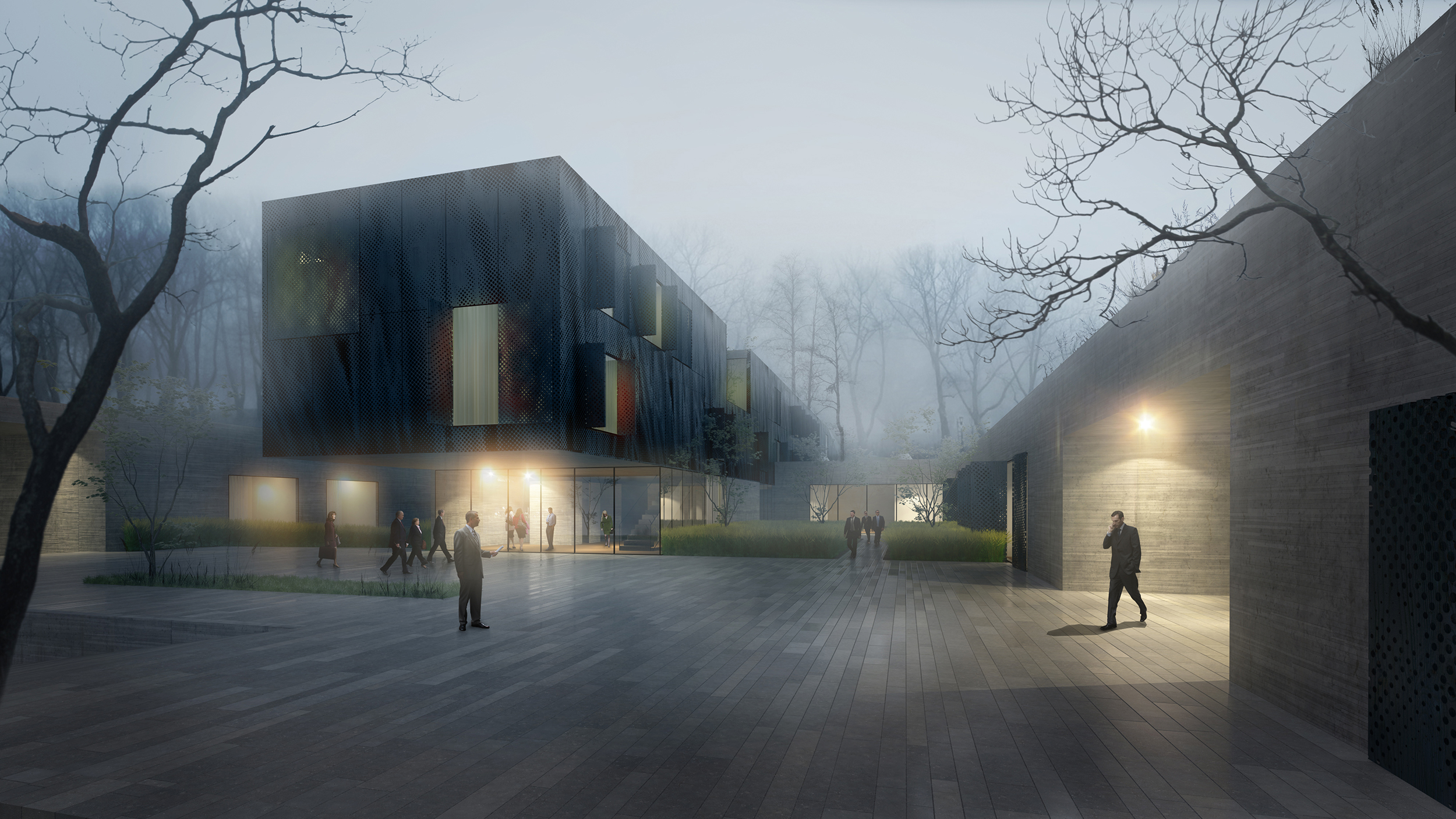
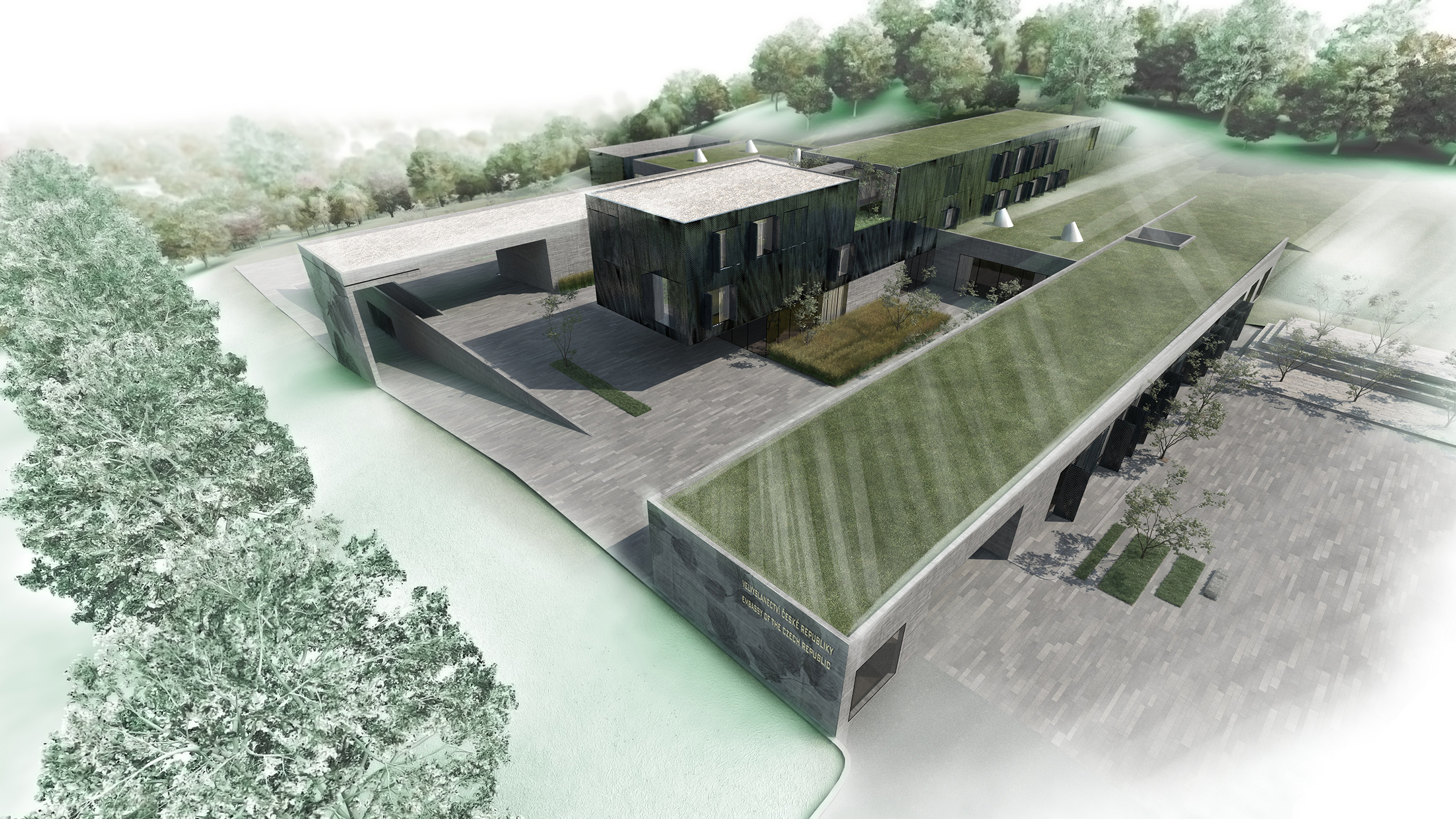
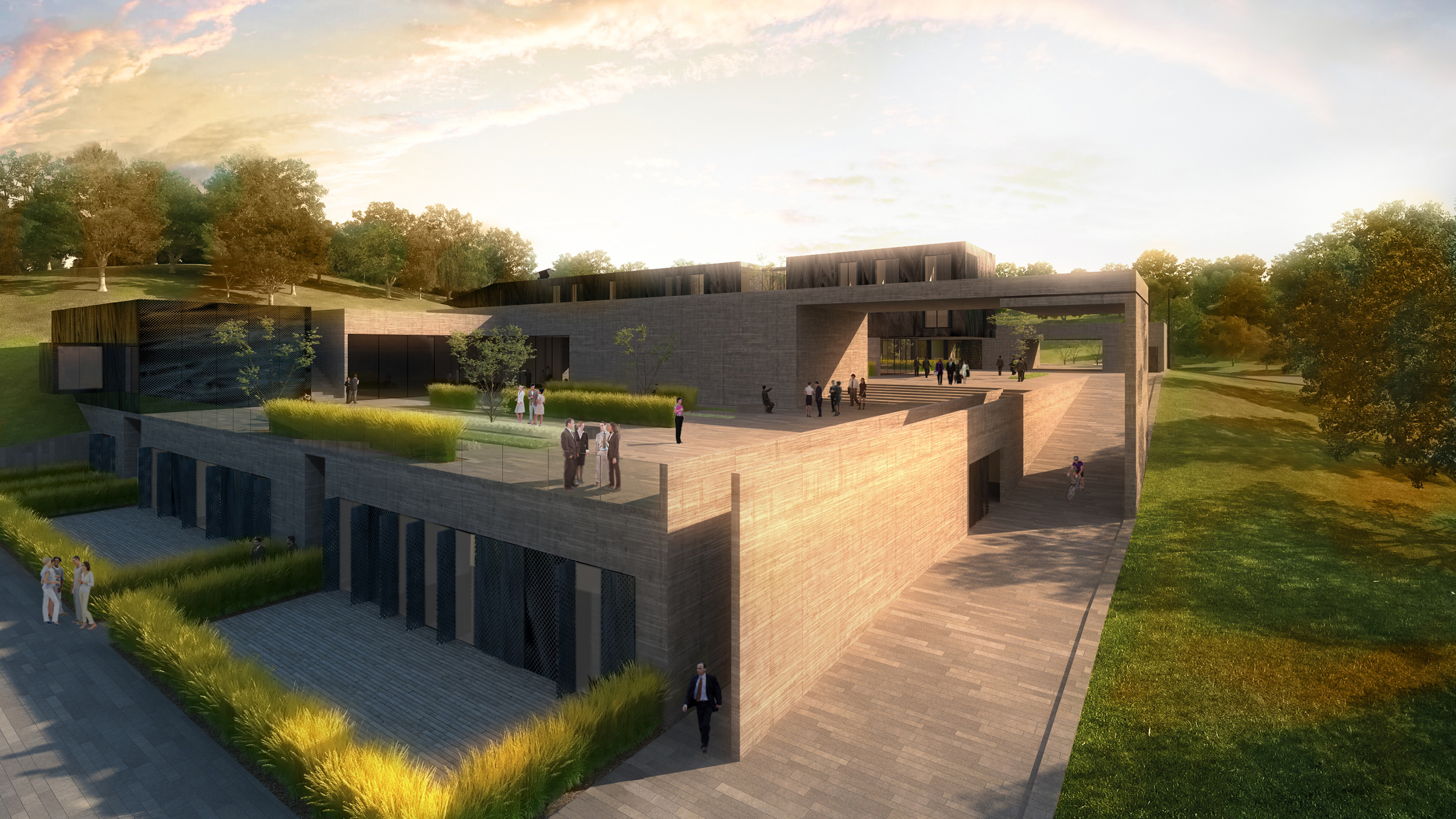
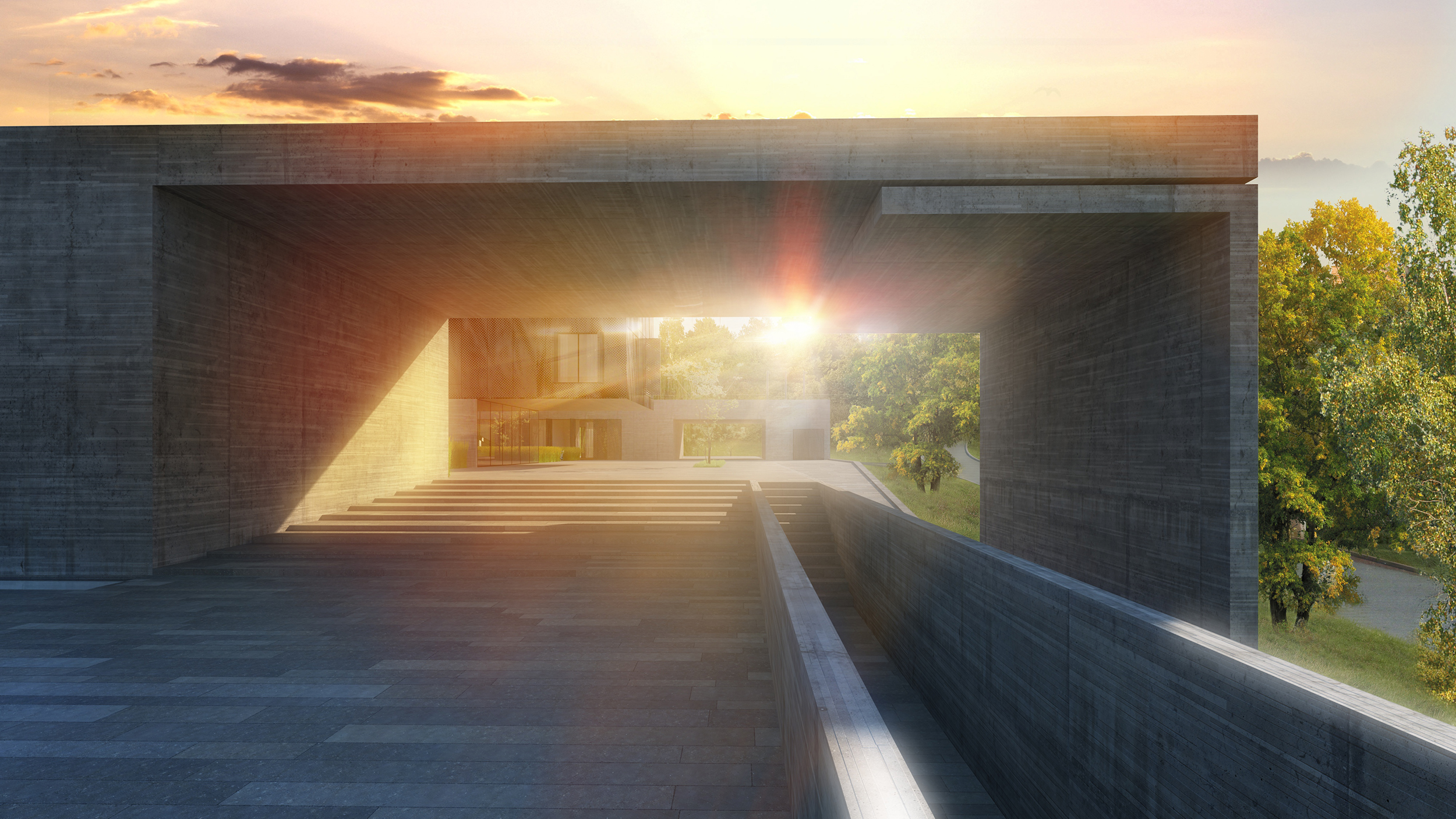
The project site was in a heavily residential section of Washington, D.C. Our first objective was to create a project appropriate in size and character to the surrounding neighborhood. At the same time, it was critical for us to tread as lightly on the environment as possible, hence the use of green roofs, water recirculation, etc.
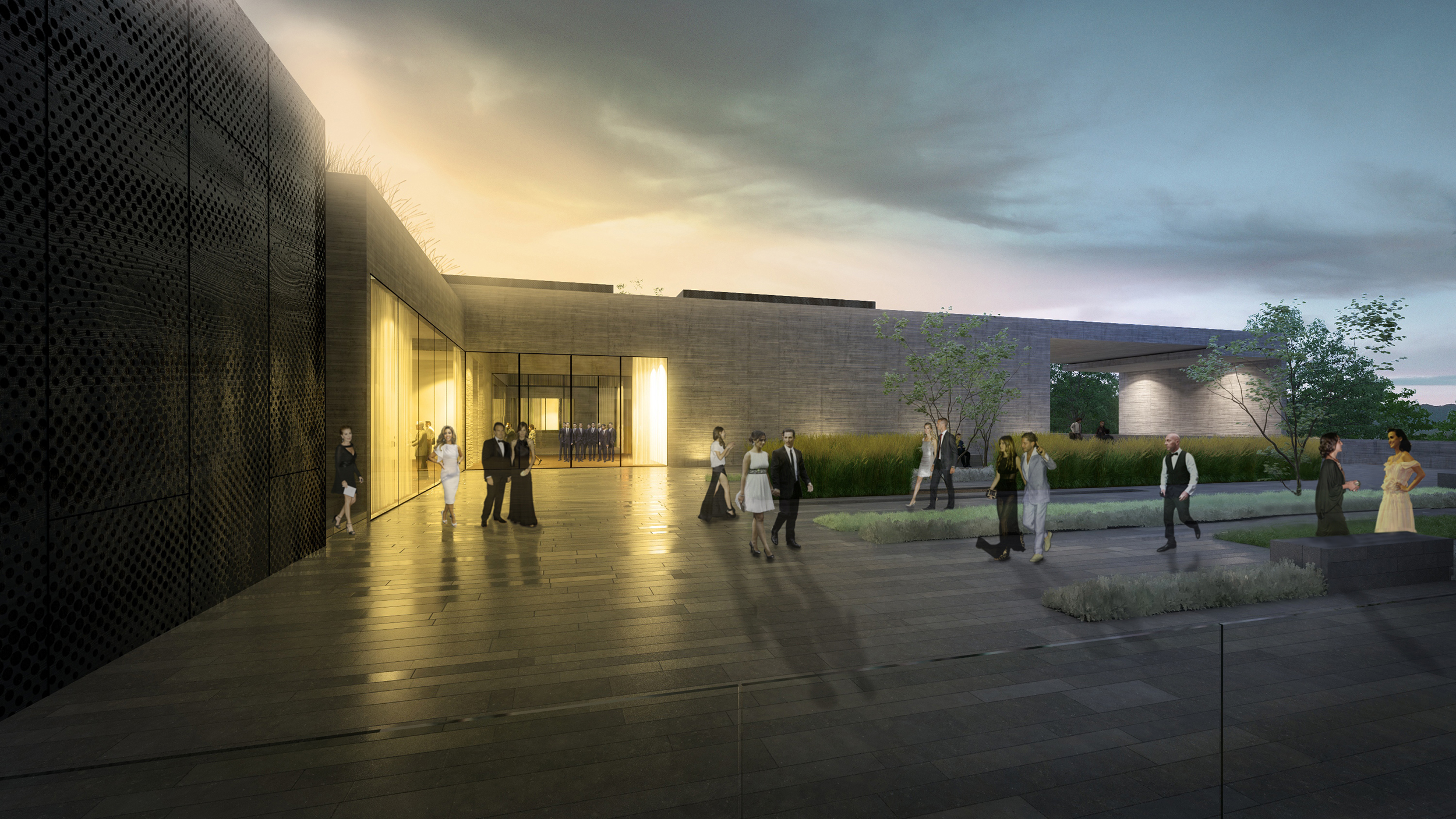
We decided on several low-story buildings arranged in terraces and laced with garden spaces. Certain areas were closed and pushed underground due to the security requirements of this type of building. Because of this, it was necessary to sink one-third of the structure. Despite this, we managed to “connect” the green roofs and gardens to the park and forest surrounding the site, and provide long, clear views from the building. We turned the strict security needs of the structure into an advantage – the complex has a high level of privacy from the nearby streets. The idea was to provide a sense of refuge and familiarity inside its walls while blending in with the surrounding nature. The Embassy has a north-south orientation and is divided into four core buildings – consulate, office, representation and residence. All four are located in the back part of the site and are connected for easy access.
The project is aimed at LEED certification; we have carefully designed the complex’s energy systems and materials to conform with the strictest environmental standards.